I had a new order on Monday for another Raven Wall Art piece. I always get so excited when I get a new order from you lovely people!
I thought that I would record myself making this piece, for your enjoyment.
Here’s a few hours work in 6 minutes!
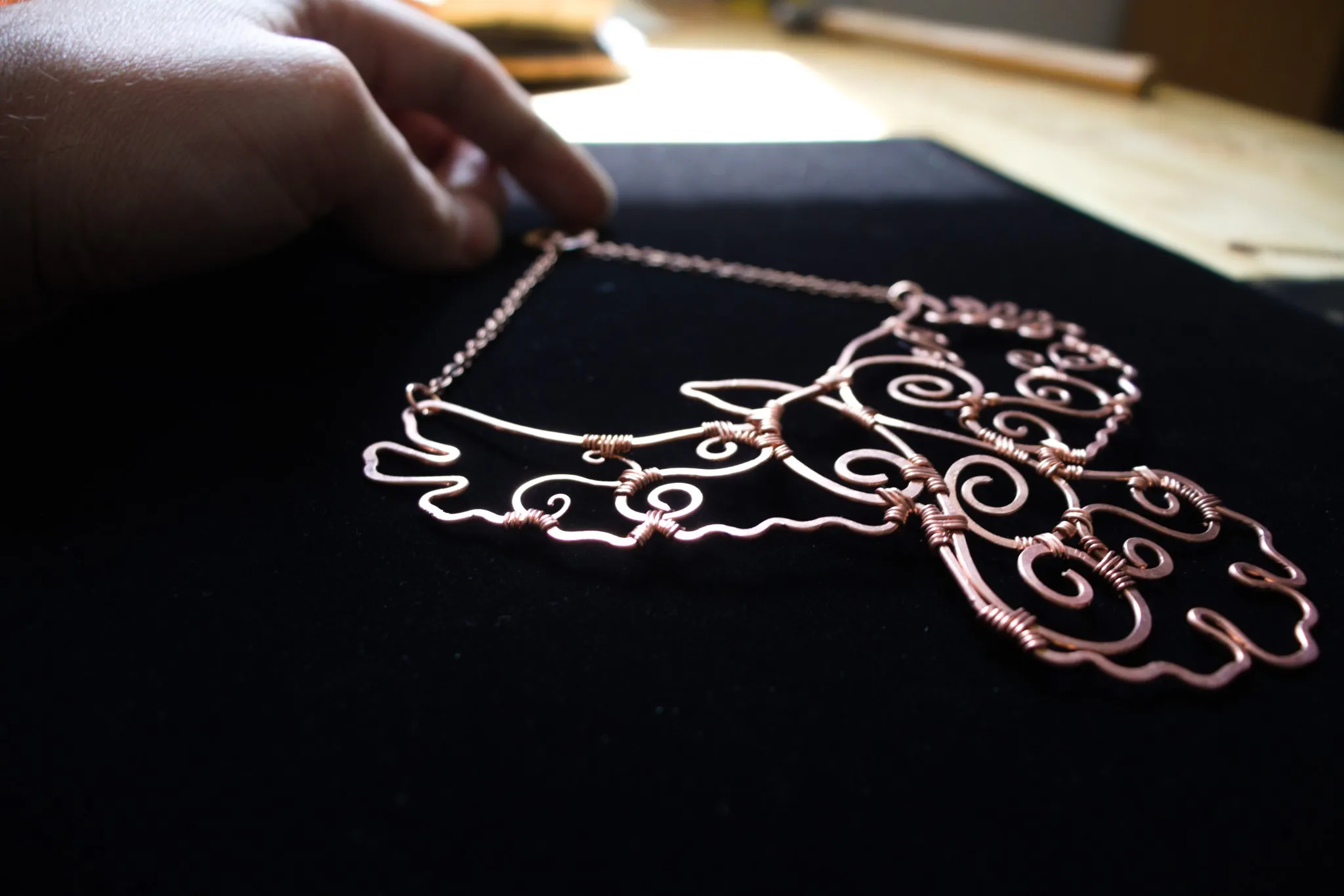
I had a new order on Monday for another Raven Wall Art piece. I always get so excited when I get a new order from you lovely people!
I thought that I would record myself making this piece, for your enjoyment.
Here’s a few hours work in 6 minutes!
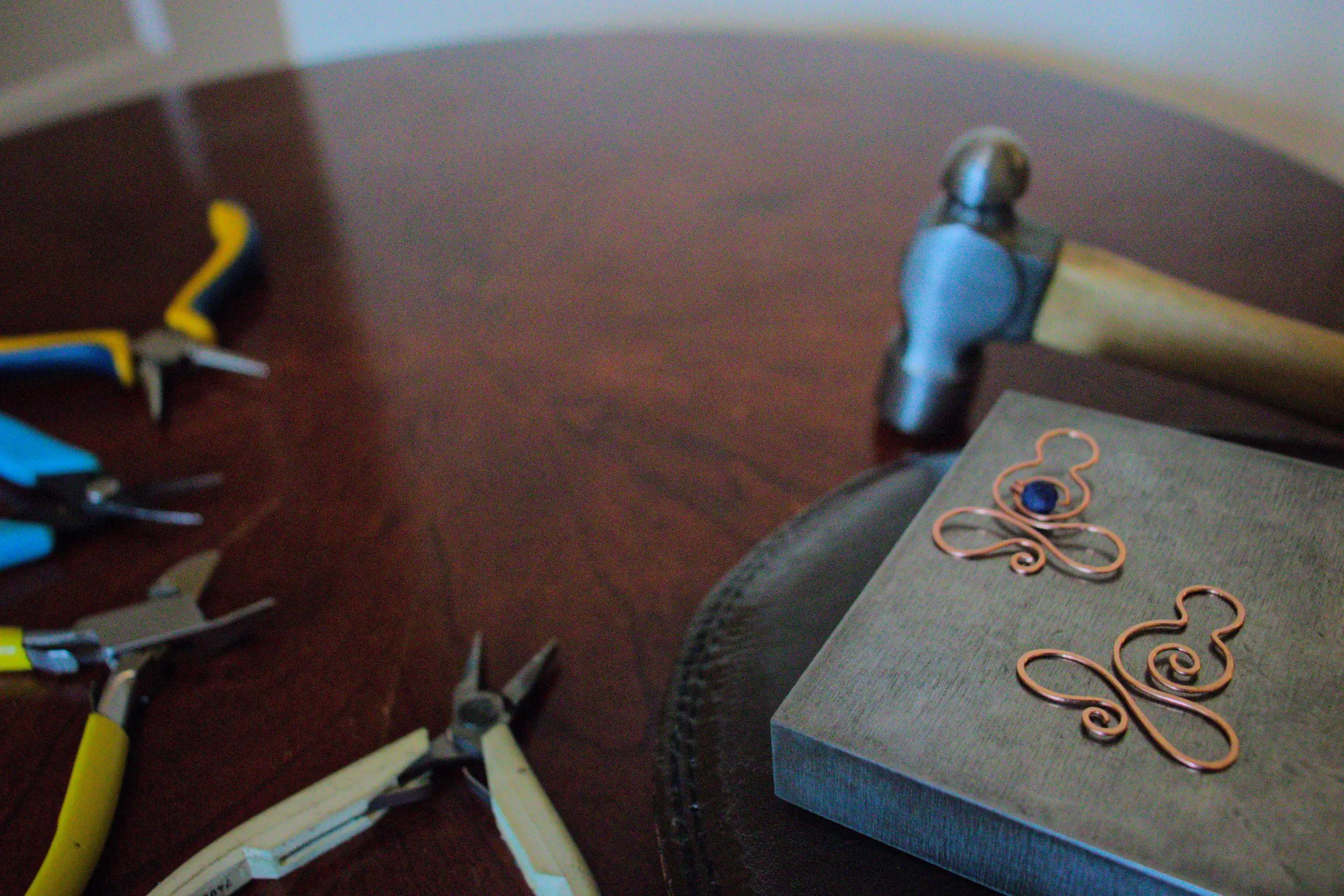
On Friday, February 4, 2022, I co-hosted his first event with Deanna Mason of Ahimsa Yoga: Bend into Bliss | An evening of copper work and yoga.
We had 5 participants, and we all worked to make a meditative pose pendant – which was easier said than done! I tried to make an easy-to-follow workshop, but it proved to be more complex than anticipated.
It was a challenging, yet fun evening all together.
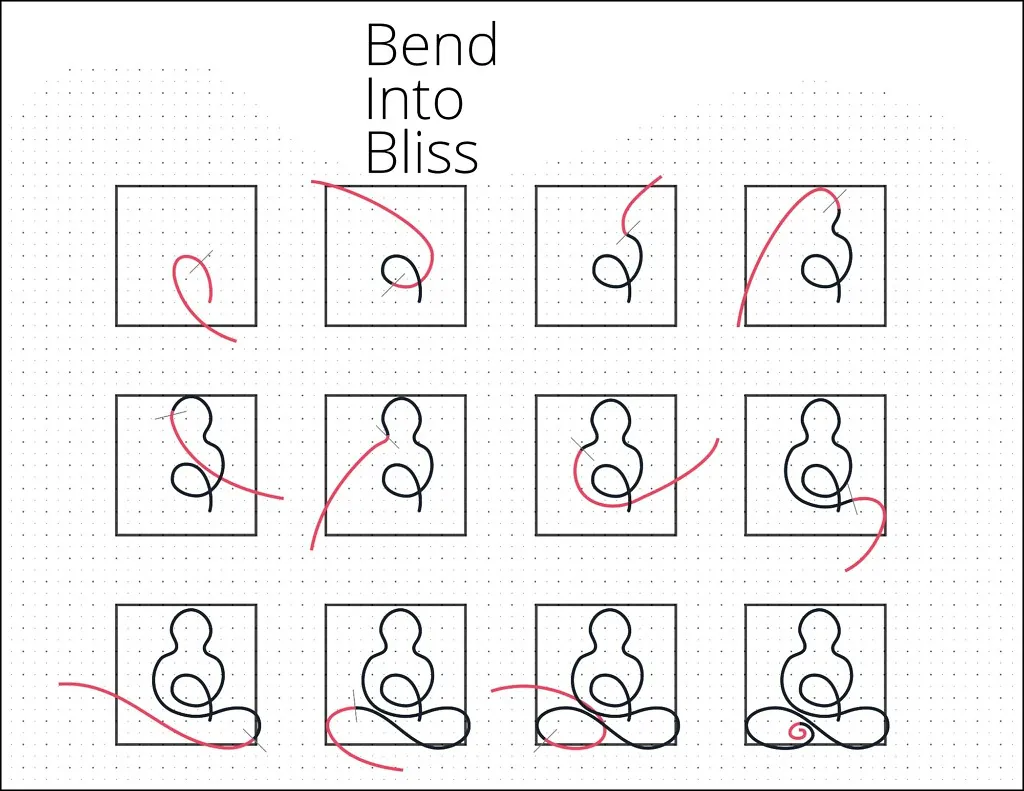
The assembly sheet I came up with.
In the future, I think I will have pre-made components that are assembled in the workshop, or a base component that can be decorated with a wire weave taught in the workshop, or stone beads and wire.
I look forward to exploring more ideas: perhaps a simple automata workshop, or a simple sculpture workshop even!
I have been fawning over automata machines for years. Their mysterious mechanisms casting me into an ocean of awe with their how-did-they-do-it intricate, smooth motions at the turn of the handle.
Late last year I saw Syl Gautier’s beautiful wooden whale automata, Wooden Migaloo 06, on reddit and it got the wheels turning for my own ventures into automata.
Wooden Migaloo 06 is ready to fly. YAYYYY !!!
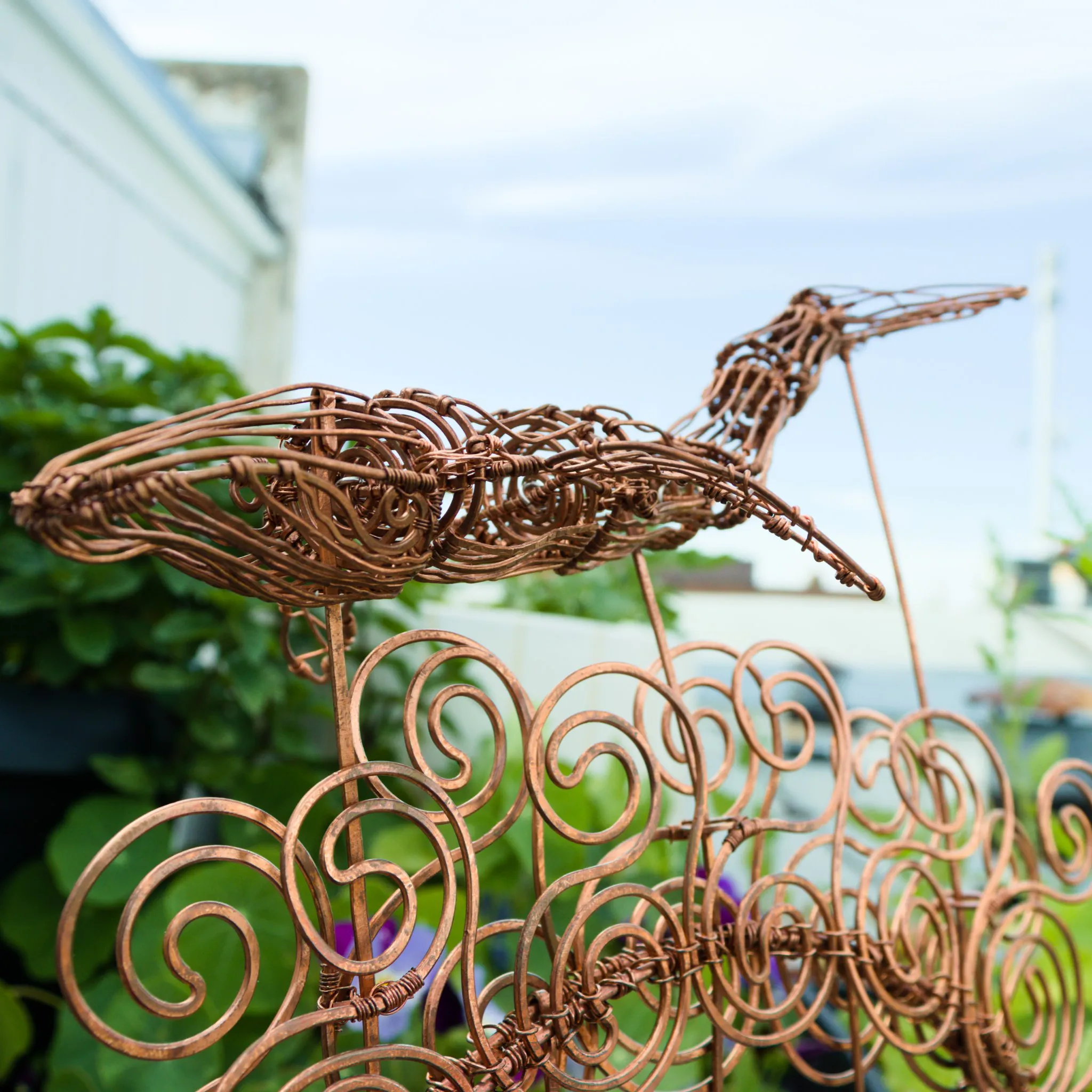
Earlier this year I posted my very first foray into the magic of automata with my Kinetic Humpback Whale Sculpture automaton.
I love how it turned out. It took a lot of trial and error to get the crank mechanism working right, but it was a lot of fun!
If you look closely, however, you can see a lot of friction going on when the shaft pulls the vertical bars to the sides on the turn. My goal in future iterations is to smooth out the motions even more!
I did try and do some internet research on how to do the actual winch and the intricacies of the mechanisms of automata. I had troubles finding the right words to use to narrow the results. What do you search for when you don’t know the words? After posting my first automata to Reddit, a fellow user put me on to some themes to follow.
circular motion conversion
These simple words narrowed down the vast knowledge of the internet into some more practical examples of converting circular motion into reciprocal motion (up and down, in this case) that I will outline.
Simply put, a crank is an arm attached at a right angle that one would turn in order to impart circular motion to the shaft. As a child of the 90s, an old-school hand-powered pencil sharpener comes to mind; or the timeless pedals of a bicycle or the winding of a fishing rod.


The crankshaft is the bar that the crank turns. This is used in the internal combustion engine, where the crankshaft in turn moves the pistons to exchange gas or whatever magic happens there.
If I am understanding it correctly, this is the basic mechanism I used in my Kinetic Humpback Whale sculpture. It is the handle I turned in order to move the parts that moved the whale. Perhaps the foundation of a basic automata.
A cam is an oblong shape on a turning shaft that pushes a vertical bar up and down as the cam turns.
Cams can range from simple – an off-center circle, or pointed oblong, to quite complex and organic-looking; so long as the ‘follower’ (the piece that moves in the linear direction based on the cam’s rotation) can easily move along the cam’s edge surface, any shape will work.
As my main medium is wire, this is a method I think I will leave on the back burner for now. Though I could easily make a cam out of some wood, or cast it with cement.
This mechanism consists of a crankshaft (circular motion) with a link that connects with a sliding part (reciprocal motion). The sliding part is contained in a guide that helps it keep on track.
I feel like this mechanism would translate well, in its relative simplicity, to the Kinetic Wire sculptures. The guide that the slider passes through adds a bit of complexity, however; though modifying a simple piece of copper tubing straightened out could do the trick.
Also known as a Quick Return Mechanism, the Crank and Slotted Lever mechanism involves a slotted lever in which a circular motion is captured and converted into the linear motion.
This mechanism is interesting because one direction will move faster than the other (hence ‘Quick Return’).
This is another mechanism that I think would translate well to automata motion. This example shows horizontal reciprocal motion, and, for my purposes, I am looking for vertical motion. I imagine I could do three things to modify this for the whale automata:
The Scotch Yoke consists of a rod turning in a circular motion moving a rod reciprocally via a guide that is only moved when the rod moves in one direction, and pauses while the circular motion slides in the perpendicular direction.
This is another mechanism that I think will translate well to automata motion. I am going to try it first with the vertical bar coming out of only one side the slotted guide – not coming out from both directions as shown in the video – though the added support of the base may prove to be necessary.
I’ve outlined just a few examples of some basic circular motion conversion.
I think they all will all translate well for use in my future automata creations. They will be fun to play with to get the motions of my future automata moving a bit smoother.
I am currently working on another Humpback Whale Automaton, and I think that I will start with incorporating some version of a Scotch Yoke mechanism. Stay tuned!